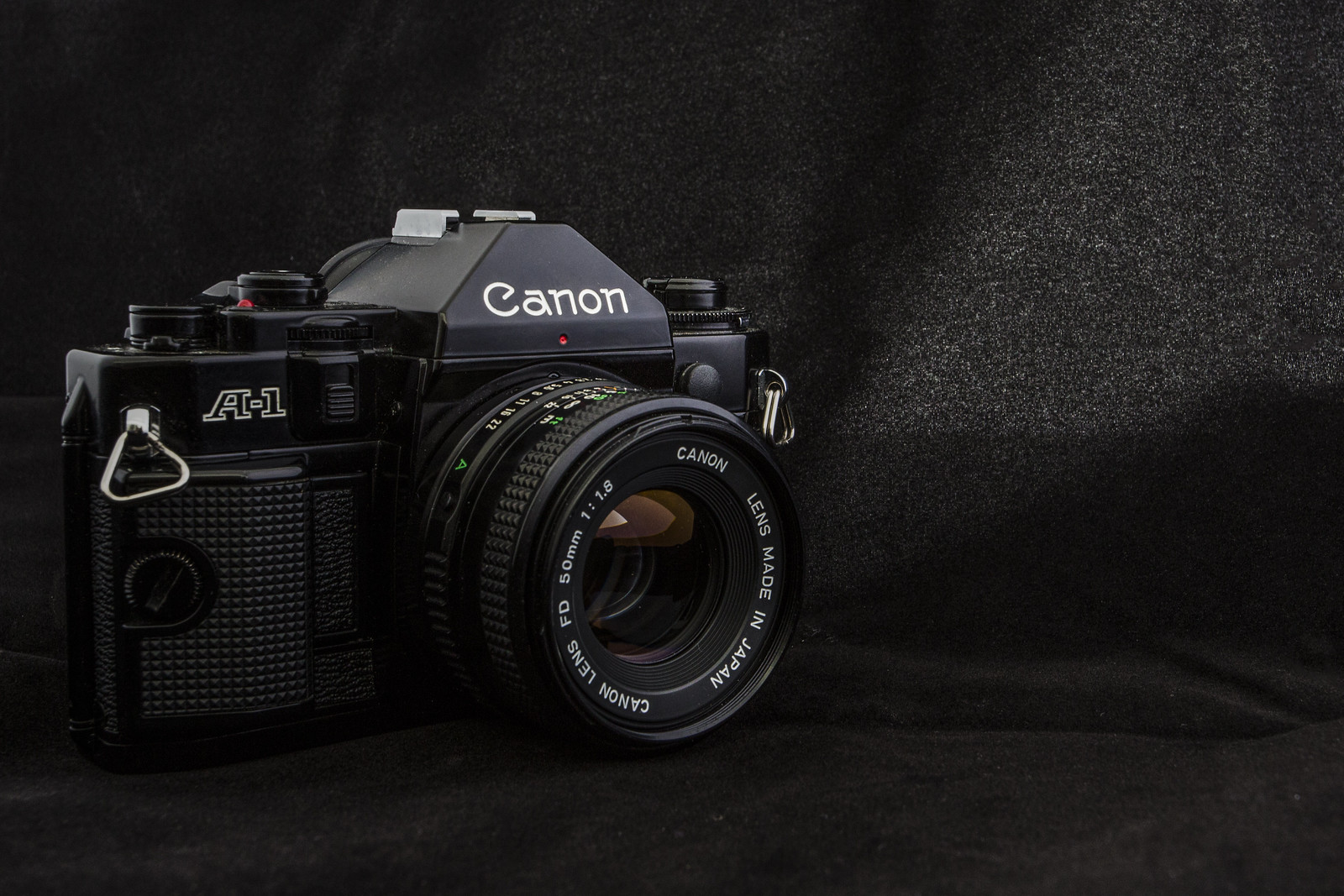
Released in 1978, the Canon A-1 was the first SLR in history to offer a full Program mode, allowing the camera to choose both the shutter speed and aperture and thus allowing the user to concentrate completely on getting the shot. I like historically significant cameras, so this one was on my list. I considered myself lucky when one popped up on Craigslist for a good price.
I was thinking about what a great deal I had gotten as I was driving home after buying my Canon A-1. I suppose I did get a good deal, although it wasn't quite the deal it seemed. The body came with the "Action Grip", three lenses, a generic flash, a cable release, user manual, and a camera bag that held everything. All of this for $60. I had noticed that the battery door was cracked, but replacement doors are cheap and this is a common issue, so I didn't worry too much about it.
Random, mostly photography-related musings by some guy on the internet that you've never met.
Showing posts with label usage. Show all posts
Thursday, May 5, 2016
Tuesday, June 23, 2015
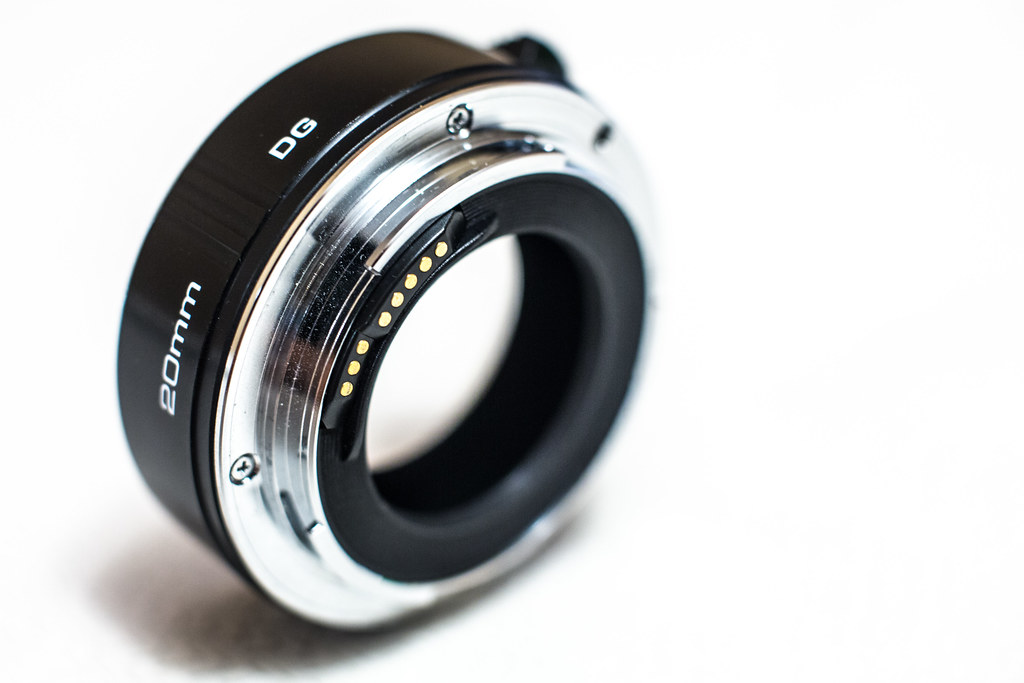
How Extension Tubes Work
There seems to be a lot of misconceptions out there regarding extension tubes and how they work, and if you're just getting started with them, it can be a little frustrating when you're not getting them to behave how you might expect. I've talked a few people through it to clear up questions they had, so hopefully by writing up a post about it, it will help someone else one day.
Some years back, I ran across several product reviews for a set of extension tubes that were unnecessarily negative. The main reason was because the users expected to be able to "zoom in" farther with these tubes to allow the subject to better fill the frame. What they were probably thinking of was a teleconverter, which introduces additional lens elements to effectively increase the focal length of the lens it's attached to. Extension tubes are different. They have no optical elements at all; their only purpose is to add additional distance between the lens and the film plane. If you really wanted to, you could actually make your own extension tube with a cardboard toilet paper tube! That's how simple they are.
Extension Tubes Are Just Spacers
| An extension tube |
Subscribe to:
Posts (Atom)